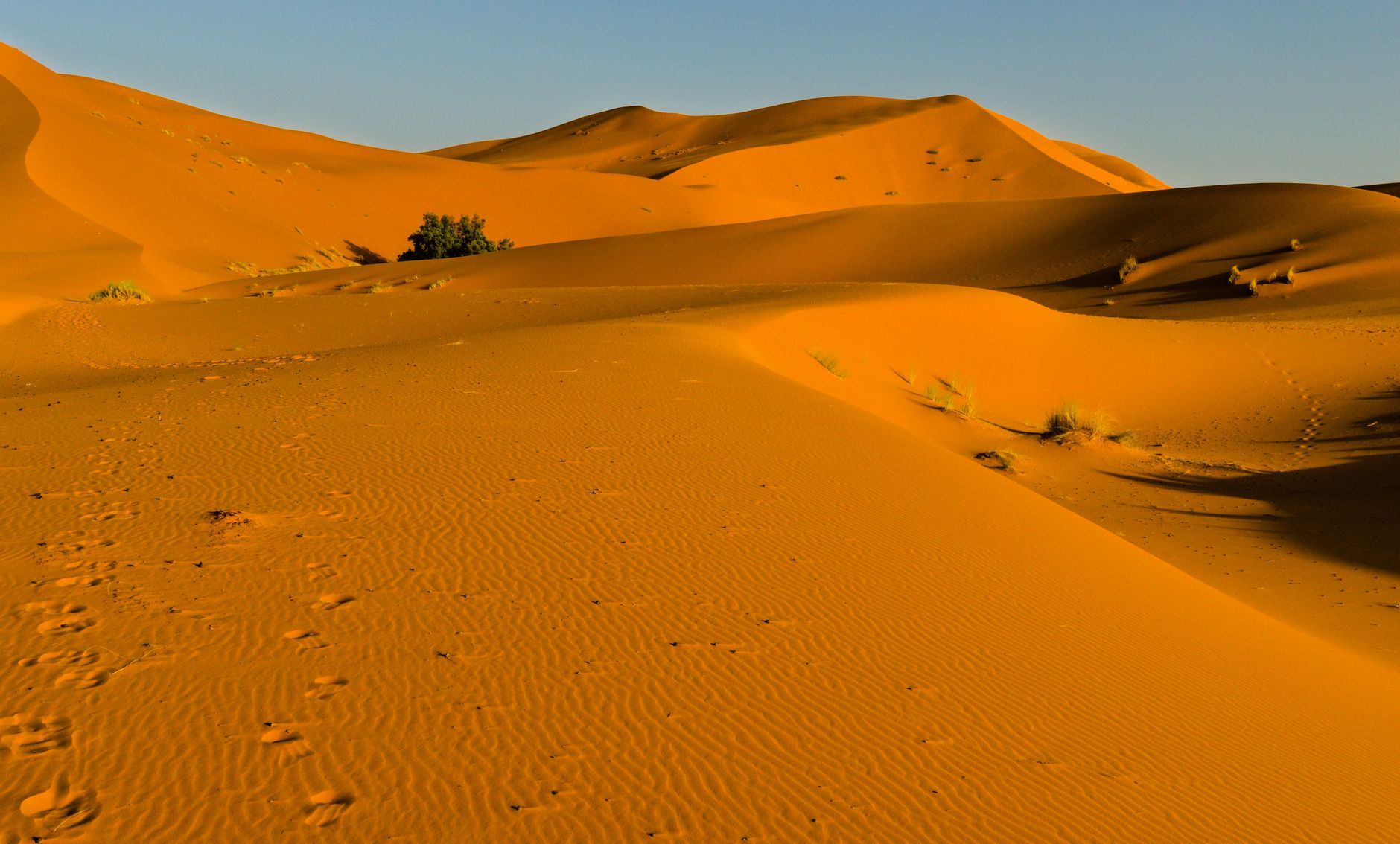
The Sahara desert in Morocco is a bucket-list destination that offers unforgettable landscapes, starry nights, and authentic Berber culture. Whether you're planning a luxury glamping experience or a budget camping trip, this practical guide covers everything you need to know for a smooth adventure. Plus, learn how to stay connected in the dunes with Morocco eSIM plans from eSIM Maroc.
Why Visit the Sahara Desert in Morocco?
The Moroccan Sahara is not just sand dunes—it's a vast region of dramatic landscapes, ancient kasbahs, and nomadic traditions. The most famous gateway is Merzouga (Erg Chebbi) or Zagora (Erg Chigaga). Highlights include camel treks at sunset, sleeping under the stars, and visiting fossil sites. With eSIM Maroc, you can share these moments instantly without hunting for Wi-Fi.
Best Time to Visit the Sahara
The ideal time is spring (March-May) or autumn (September-November) when temperatures are mild (20-30°C during the day). Summer can be scorching (over 45°C), while winter nights are cold (near 0°C). Avoid the hottest months unless you're prepared for extreme heat.
How to Get to the Sahara Desert
From Marrakech
The most popular route: drive via Ait Ben Haddou, Dades Gorge, and Todra Gorge. Tours typically take 3-4 days. You can book a private driver or join a group tour.
From Fes
A common route goes through Ifrane, Midelt, and Erfoud to Merzouga. Expect 2-3 days.
By Public Transport
Supratours and CTM buses run from Marrakech and Fes to Rissani or Merzouga. Then take a local taxi or arrange a desert camp pickup.
Top Sahara Desert Tours & Experiences
- Camel Trekking: 1-2 hour rides to a desert camp, often at sunset.
- Overnight in a Desert Camp: Sleep in a traditional tent with dinner, music, and stargazing.
- 4×4 Dune Bashing: For adrenaline seekers, explore dunes in a 4x4 vehicle.
- Sandboarding: Similar to snowboarding, on sand dunes.
- Visit Khamlia Village: Experience Gnawa music and Berber hospitality.
Packing List for the Sahara
- Clothing: Lightweight long sleeves for sun protection, warm layers for night, scarf for sandstorms.
- Footwear: Closed-toe shoes for camel riding, sandals for camp.
- Sun Protection: Sunscreen, sunglasses, hat.
- Hydration: Reusable water bottle; camps usually provide water.
- Connectivity: eSIM Maroc prepaid data plans for maps and sharing.
- Other: Headlamp, power bank, camera, toiletries.
Staying Connected in the Sahara: eSIM Maroc
Many travelers worry about connectivity in remote desert areas. While coverage is limited in deep dunes, most camps near Merzouga and Zagora have decent 4G signal on partner networks like Maroc Telecom and Orange Maroc. With eSIM Maroc, you activate a local eSIM instantly—no physical SIM needed. Check your phone compatibility before you go. Our plans include generous data, so you can navigate, post updates, and stay in touch.
Safety Tips for the Sahara
- Always go with a reputable guide or tour operator.
- Inform someone of your itinerary.
- Carry enough water and snacks.
- Protect electronics from sand (use sealed bags).
- Respect local customs (dress modestly, ask before photographing people).
Where to Stay in the Sahara
Options range from luxury eco-lodges to basic desert camps. Popular choices include:
- Luxury: Dar Ahlam (Skoura), La Pause (Erg Chigaga)
- Mid-range: Kanz Erremal (Merzouga), Riad Madu (Merzouga)
- Budget: Nomad Palace, Hassilabiad
Most camps include dinner and breakfast. Book in advance during peak seasons.
Conclusion
The Sahara desert is a magical destination that requires some planning. From camel rides to starry nights, every moment is memorable. Don't forget to stay connected with eSIM Maroc's Morocco eSIM plans—instant activation, no roaming fees. For more tips, visit our FAQ or contact us.