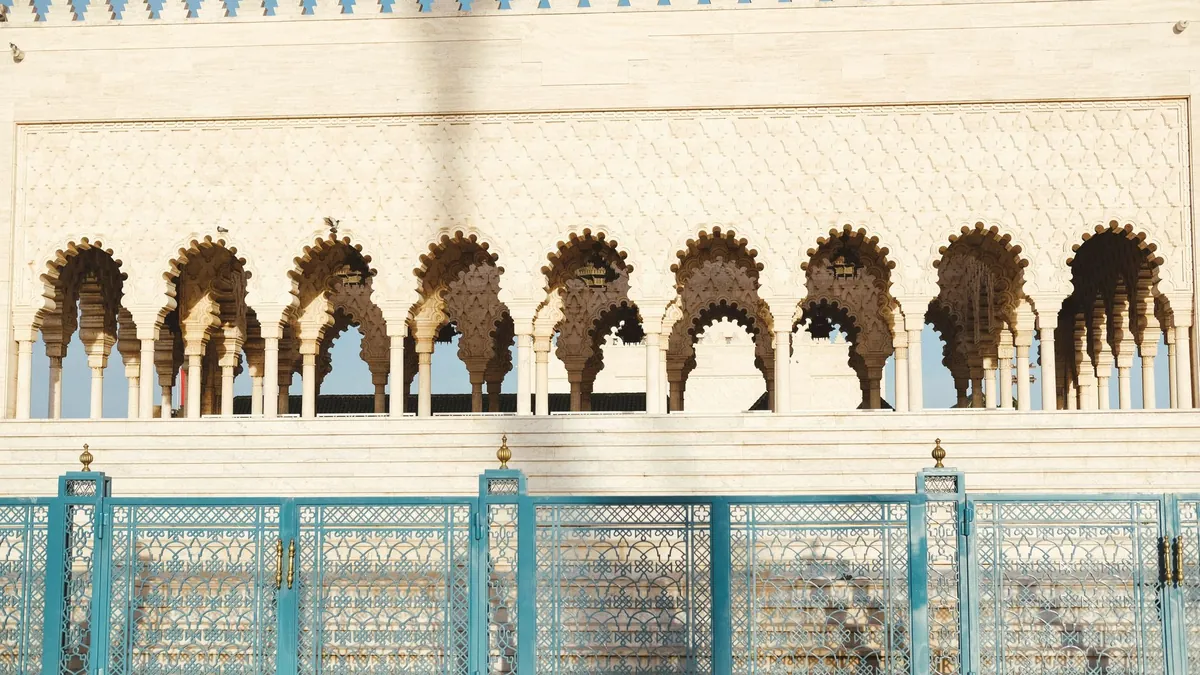
Morocco has long been a top destination for travelers seeking vibrant souks, stunning desert landscapes, and rich cultural heritage. But one question consistently arises: Is Morocco safe for tourists in 2026? The short answer is yes—Morocco is generally safe for travelers. Violent crime against tourists is rare, and the country has a well-established tourism infrastructure. However, like any popular destination, petty crime and scams exist. This guide covers everything you need to know to stay safe, including practical tips, health considerations, and how to stay connected with a reliable Morocco eSIM.
Overall Safety in Morocco for Tourists in 2026
Morocco ranks as one of the safer countries in North Africa for tourists. The government prioritizes tourism security, with tourist police (Brigade Touristique) patrolling major areas. In 2026, the country continues to invest in safety measures, including CCTV in medinas and increased police presence. Most visits are trouble-free, but awareness is key.
Common Tourist Scams & How to Avoid Them
While Moroccans are generally hospitable, some individuals target tourists with scams. Here are the most common:
- Fake guides: Unsolicited guides in medinas who demand payment after a short walk. Politely decline or use official licensed guides.
- Overcharging: Taxis not using meters or shops inflating prices for tourists. Agree on fares beforehand or use ride-hailing apps.
- Hassle in souks: Persistent vendors. A firm but polite "La, shukran" (No, thank you) works.
- ATM scams: Skimming devices or fake helpers. Use ATMs inside banks and cover your PIN.
Stay alert and trust your instincts. For extra security, keep your phone charged with a Morocco eSIM to access maps and emergency contacts.
Health & Medical Safety in Morocco
Morocco has adequate healthcare in major cities, but rural areas may lack facilities. Travel insurance is essential. Tap water is not safe to drink; stick to bottled water. Street food is generally safe if freshly cooked, but be cautious with raw vegetables. Pharmacies are widely available and well-stocked. In case of emergency, dial 15 (SAMU) or 19 (police).
Safety for Solo Female Travelers in 2026
Morocco is generally safe for solo female travelers, but cultural differences mean extra precautions. Dress modestly (especially outside tourist zones), avoid walking alone at night, and use registered taxis. Many women report unwanted attention, but this is usually non-violent. Connecting with other travelers or staying in reputable riads can enhance safety.
Regional Safety: Marrakech, Fes, Casablanca, and Beyond
Marrakech
Marrakech is safe but busy. Watch for pickpockets in Jemaa el-Fnaa square and the medina. Avoid unlit alleys at night. The new town (Gueliz) is more relaxed.
Fes
Fes medina is a maze; stick to main routes or hire a guide. Petty theft occurs, so keep valuables hidden. The tanneries area is safe but can be overwhelming.
Casablanca
Casablanca feels more modern but has higher petty crime rates. Avoid the old medina after dark and use official taxis.
Chefchaouen & Desert Areas
Chefchaouen is very safe and tourist-friendly. Desert tours are safe with reputable operators; avoid unlicensed guides.
Staying Connected: Why a Morocco eSIM Enhances Safety
Having reliable internet access is crucial for safety—for navigation, translation, and emergency calls. Instead of hunting for local SIM cards or relying on patchy Wi-Fi, consider a Morocco eSIM from eSIM Maroc. It activates instantly, offers coverage via local partner networks, and lets you stay connected from the moment you land. No physical SIM swapping, no language barriers. Check your phone compatibility and enjoy peace of mind.
Transportation Safety in Morocco
Trains (ONCF) and long-distance buses (CTM, Supratours) are safe and comfortable. Grand taxis (shared) are fine but negotiate price upfront. Petit taxis (city) should use meters. Avoid renting cars in cities due to chaotic traffic; if you do, drive defensively. Walking in medinas is safe during the day, but beware of motorbikes in narrow lanes.
Emergency Contacts & Useful Numbers
- Police: 19
- Ambulance (SAMU): 15
- Fire: 15
- Tourist Police: 0524 438 000 (Marrakech)
- Your embassy's local number
Conclusion
Morocco remains a safe and rewarding destination in 2026. By staying aware of your surroundings, avoiding common scams, and preparing with travel insurance and a reliable data connection, you can enjoy everything this beautiful country offers. For seamless connectivity, choose a Morocco eSIM from eSIM Maroc—the specialist for travelers. Have a safe trip!