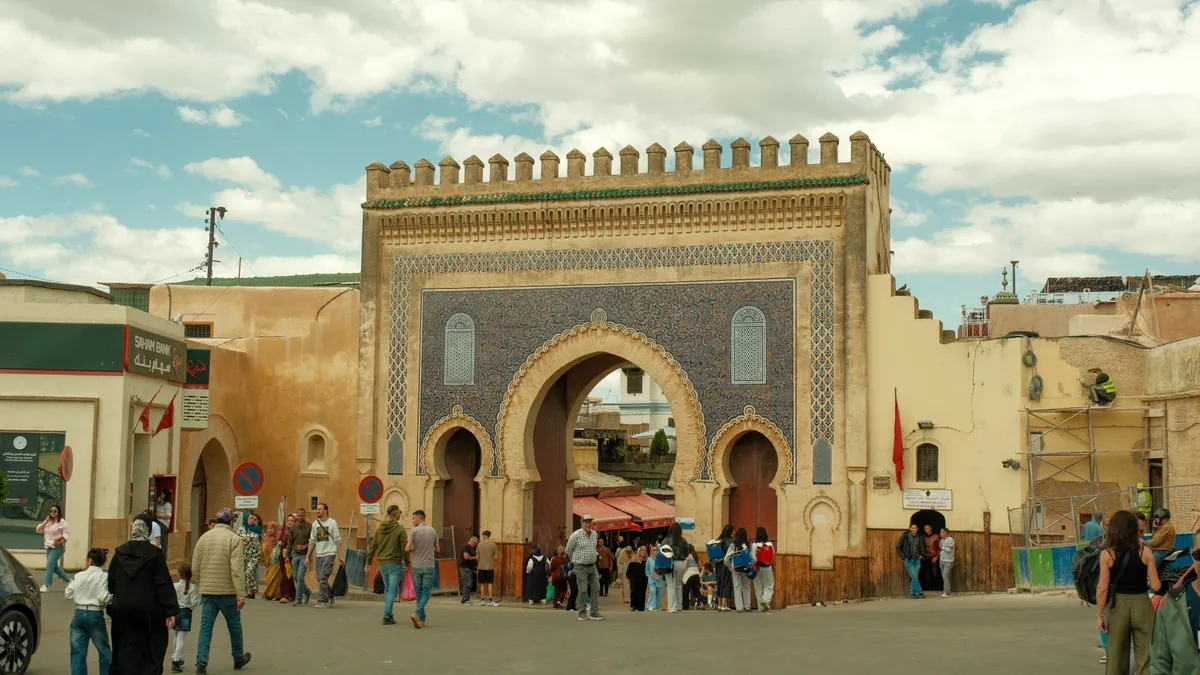
Fes is the spiritual and cultural heart of Morocco, and its medina—Fes el-Bali—is a UNESCO World Heritage site that feels like a living museum. With over 9,000 winding alleys, it's easy to get lost, but that's part of the charm. Whether you're a first-time visitor or a seasoned traveler, knowing the must-see places in Fes medina will help you make the most of your trip. From the famous tanneries to peaceful gardens, here's your ultimate guide.
1. Chouara Tannery: The Iconic Leather Workshop
The Chouara Tannery is the oldest and largest tannery in Fes, dating back to the 11th century. From the surrounding terraces, you can watch workers dye leather in colorful stone vats filled with natural dyes like saffron, poppy, and indigo. It's a sensory overload—the smell is strong, so take a mint sprig offered at the entrance. Visit early morning for the best light and fewer crowds.
2. Bou Inania Madrasa: Architectural Masterpiece
Built in the 14th century, the Bou Inania Madrasa is one of the few religious buildings in Morocco open to non-Muslims. Its intricate stucco work, carved cedar wood, and zellij tilework are breathtaking. Don't miss the courtyard's marble fountain and the wooden minbar (pulpit). This is a must for architecture lovers.
3. Al-Attarine Madrasa: A Jewel of Marinid Art
Just steps from the tanneries, the Al-Attarine Madrasa is smaller but equally stunning. Built in 1325, it features a serene courtyard with a central fountain, intricate tile mosaics, and carved plaster. Climb to the roof for a panoramic view of the medina's rooftops and the nearby minarets.
4. Nejjarine Museum of Wooden Arts & Crafts
Housed in a beautifully restored fondouk (caravanserai), this museum showcases Morocco's woodworking heritage. The building itself is a masterpiece, with a central courtyard and three floors of galleries. Exhibits include carved doors, musical instruments, and furniture. The rooftop café offers a peaceful escape with views of the medina.
5. The Souks: A Shopper's Paradise
Fes medina's souks are a labyrinth of narrow streets lined with shops selling everything from leather goods and carpets to spices and lanterns. Key areas include:
- Souk el-Henna: Known for henna, cosmetics, and perfumes.
- Souk el-Attarine: Spices, dried fruits, and traditional medicines.
- Souk el-Sabbaghine: Dyers' market, where you can see fabric being dyed.
- Seffarine Square: Copper and metalwork artisans.
Bargaining is expected, so start at half the asking price. Carry cash, as many shops don't accept cards.
6. University of Al Quaraouiyine: World's Oldest University
Founded in 859 AD by Fatima al-Fihri, Al Quaraouiyine is the oldest existing, continually operating university in the world. While non-Muslims cannot enter the prayer hall, you can view the courtyard from the entrance and admire the green-tiled minaret. The library, recently restored, holds ancient manuscripts including a 9th-century Quran.
7. Jnan Sbil Gardens: A Green Oasis
Located just outside the medina walls, Jnan Sbil is a tranquil garden perfect for a break from the hustle. Planted with exotic trees, flowers, and palm-lined paths, it's a favorite spot for locals and tourists alike. The garden features a large central pond and a café. Ideal for a late afternoon stroll.
8. Dar Batha Museum: Moroccan Arts & Crafts
Housed in a 19th-century palace, the Dar Batha Museum displays a rich collection of traditional Moroccan art, including ceramics, woodcarving, embroidery, and jewelry. The Andalusian garden is a highlight, with orange trees and a marble fountain. It's less crowded than other sites, offering a calm cultural experience.
9. Fes el-Jdid: The Royal City
Adjacent to the old medina, Fes el-Jdid was founded in the 13th century as a royal quarter. Here you'll find the Royal Palace (entrance via the golden doors), the Great Mosque, and the Mellah (Jewish Quarter). The Mellah features a synagogue and a cemetery. It's a quieter area with wider streets and a different atmosphere.
10. Hidden Gems & Practical Tips
Hidden Gems
- Foundouk Tazi: A restored caravanserai with a rooftop café offering panoramic views.
- Moulay Idriss II Mausoleum: A sacred site honoring the founder of Fes; non-Muslims can view the entrance.
- Batha Square: A lively square with a beautiful fountain, perfect for people-watching.
Practical Tips for Navigating Fes Medina
- Hire a guide: For a few hours, a local guide can help you find key sites and avoid getting lost.
- Download offline maps: GPS works in some areas, but alleys are narrow. Use Maps.me or Google Maps offline.
- Dress modestly: Cover shoulders and knees; women may want a scarf for religious sites.
- Watch your belongings: Pickpockets operate in crowded areas; keep valuables secure.
- Stay connected: Buy a Morocco eSIM from eSIM Maroc for instant data upon arrival—no physical SIM needed. Check phone compatibility before you go.
Conclusion
Fes medina is a treasure trove of history, culture, and craftsmanship. From the iconic Chouara Tannery to the serene Jnan Sbil Gardens, every corner tells a story. To make the most of your trip, stay connected with a Morocco eSIM from eSIM Maroc—our plans offer reliable coverage on local partner networks, so you can navigate, share, and explore without worry. Check our FAQ for any questions, and contact us for support. Safe travels!