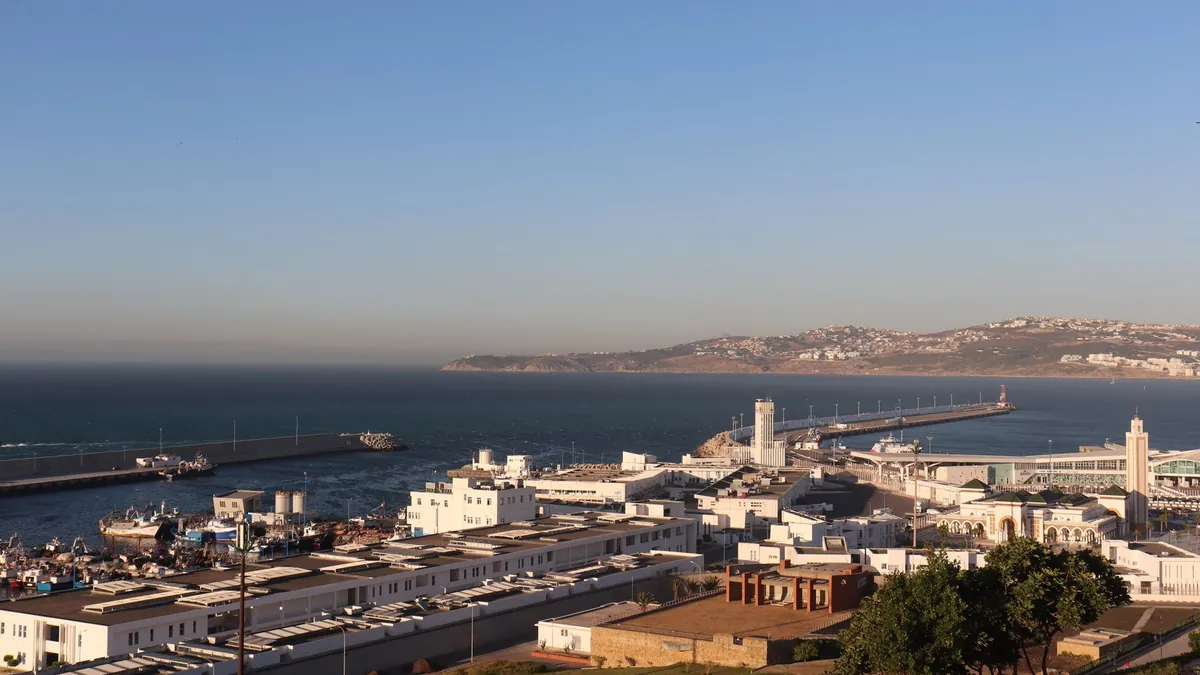
Driving in Morocco as a tourist can be an incredible way to explore the country's diverse landscapes—from the bustling streets of Marrakech to the winding roads of the Atlas Mountains and the vast Sahara Desert. However, it comes with unique challenges. This guide covers everything you need to know: road rules, renting a car, insurance, tolls, navigation, and staying connected with a Morocco eSIM for reliable internet access.
Is Driving in Morocco Safe for Tourists?
Yes, driving in Morocco is generally safe if you stay alert and follow local practices. Roads are well-maintained in major cities and highways, but rural areas may have unpaved sections. Be prepared for aggressive driving, unexpected pedestrians, and animals on the road. Always drive defensively.
Do You Need an International Driving Permit in Morocco?
Yes, tourists need an International Driving Permit (IDP) along with your valid home country driver's license. Rent-a-car companies often require it, and police may ask for it during checks. Obtain your IDP before traveling from your local automobile association.
Renting a Car in Morocco: Tips & Requirements
Choosing a Rental Company
Stick with reputable international or local agencies. Compare prices online, but always check reviews regarding vehicle condition and hidden fees. Ensure the car has valid insurance and a spare tire.
Insurance: What You Need
Basic third-party liability is mandatory but often insufficient. Consider purchasing full coverage (collision damage waiver, theft protection) to avoid hefty deductibles. Check if your credit card offers rental car insurance.
Age and Documents
Minimum age is usually 21, with a young driver surcharge for under 25. Bring your passport, visa, IDP, and home license.
Road Rules and Driving Etiquette in Morocco
- Speed limits: 40-60 km/h in cities, 80-100 km/h on rural roads, 120 km/h on highways.
- Seat belts: Mandatory for all passengers.
- Overtaking: Often done on the right; use caution.
- Roundabouts: Priority to vehicles already inside.
- Toll roads: Pay with cash or credit card at toll booths. Keep small change ready.
Navigation and Staying Connected
GPS apps like Google Maps or Waze work well in Morocco, but you need a stable internet connection. Instead of relying on unreliable Wi-Fi or expensive roaming, get a Morocco eSIM from eSIM Maroc. Install it before you travel and enjoy instant data upon arrival. Use it for navigation, translation, and emergency calls. Check the Morocco network coverage to ensure you'll have signal in remote areas.
Fuel and Parking
Petrol stations are common along main routes. Fuel is cheaper than in Europe. Parking in cities can be tricky; use guarded parking lots (parking gardé) for safety. Don't leave valuables visible in the car.
What to Do in Case of an Accident
Stop immediately and call emergency services (police: 19, ambulance: 15). Do not move the vehicles until police arrive. Fill out a European accident statement if available. Contact your rental company and insurance provider.
Driving in Moroccan Cities vs. Rural Areas
City Driving
Expect heavy traffic, scooters, and pedestrians. Use parking garages or street parking with attendants. Be patient with honking—it's a communication tool, not aggression.
Rural and Mountain Roads
Narrow, winding roads with sharp turns. Drive slowly, especially at night. Watch for livestock and unmarked speed bumps. Carry water and snacks.
Best Road Trips in Morocco
- Marrakech to Merzouga (Desert) – via Tizi n'Tichka pass
- Fes to Chefchaouen – scenic mountain route
- Casablanca to Essaouira – coastal drive
Conclusion
Driving in Morocco offers unparalleled freedom to explore at your own pace. Prepare with the right documents, insurance, and a reliable internet connection. For seamless navigation and communication, choose a Morocco eSIM from eSIM Maroc—the specialist for travelers. Safe travels!