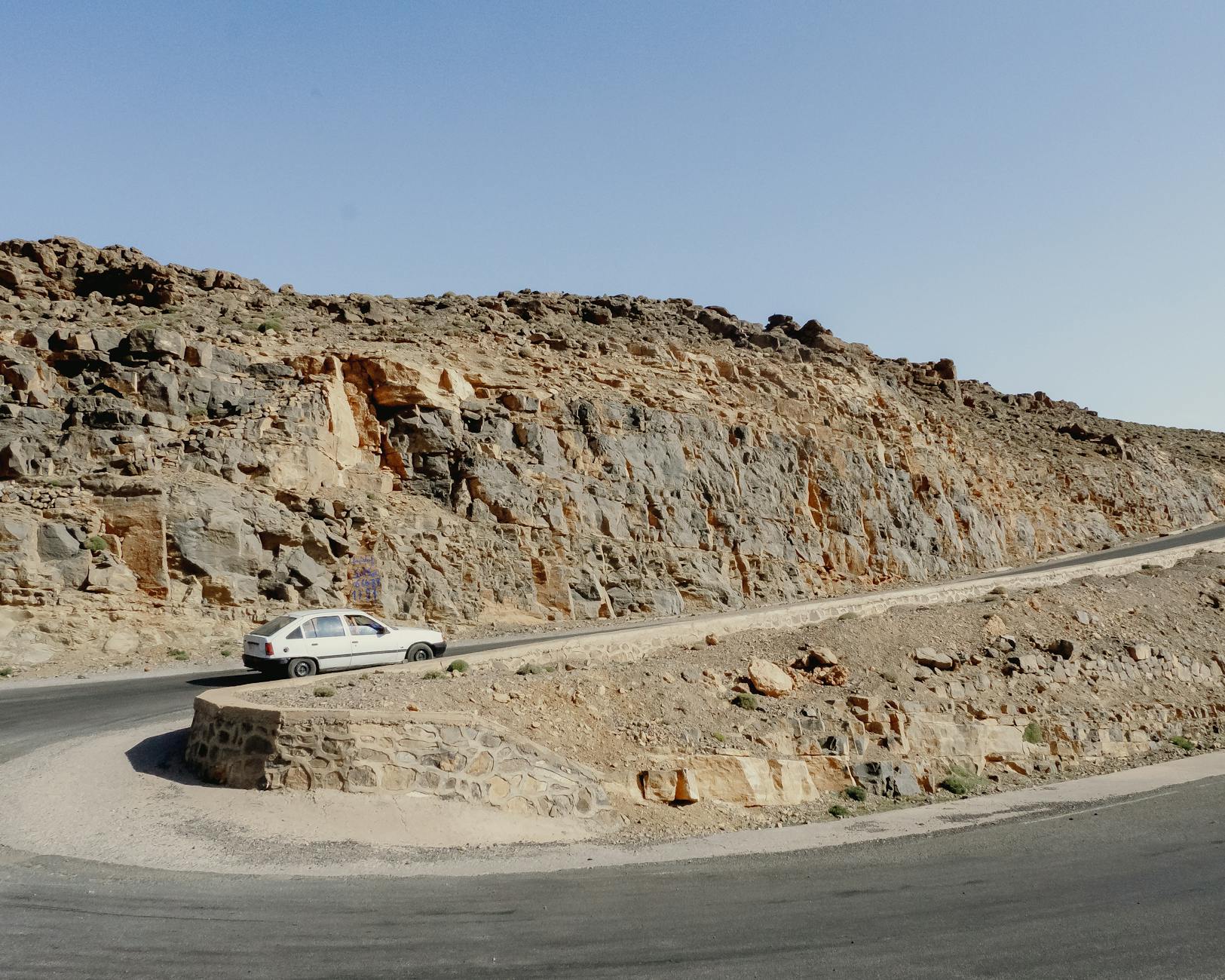
Driving in Morocco as a tourist offers incredible freedom to explore the country's diverse landscapes, from the bustling streets of Marrakech to the winding roads of the Atlas Mountains. However, it comes with unique challenges. This guide covers everything you need to know for a safe and enjoyable road trip, including road rules, rental tips, and how to stay connected with a reliable Morocco eSIM.
1. Understanding Moroccan Road Rules
Morocco drives on the right side of the road, similar to most of Europe and North America. Speed limits are 50 km/h in towns, 100 km/h on rural roads, and 120 km/h on highways (autoroutes). Seat belts are mandatory for all passengers, and using a mobile phone while driving is prohibited unless you have a hands-free system. Alcohol limits are strict: 0.02% blood alcohol content (essentially zero tolerance).
Roundabouts and Priority
At roundabouts, vehicles already inside have priority unless signs indicate otherwise. In practice, Moroccan drivers often ignore this, so be cautious. Priority to the right applies at intersections without signs, but again, local drivers may not follow it.
Police Checks and Documents
Police checkpoints are common, especially near cities and tourist areas. Always carry your passport, driver's license (international permit recommended), car registration, and insurance. Keep our contact handy in case of emergencies.
2. Renting a Car in Morocco
Major international rental agencies operate in Morocco (Avis, Hertz, Europcar) as well as local companies. Book in advance, especially during peak season. Check for hidden fees, insurance coverage, and whether GPS is included. Consider a 4x4 if you plan to explore rural or mountainous areas. Most rentals come with manual transmission; automatic cars are limited and cost more.
Insurance Tips
Basic insurance is often included, but consider purchasing full coverage (CDW) to avoid hefty deductibles. Check if your credit card offers rental insurance. Always inspect the car before driving off and photograph any existing damage.
3. Navigation and Connectivity
GPS signals are generally reliable in Morocco, but offline maps are essential in remote areas. Download Google Maps offline or use apps like Maps.me. For real-time traffic and updates, you'll need mobile data. A Morocco eSIM from eSIM Maroc provides instant connectivity upon arrival, so you can navigate without hunting for a physical SIM. Check your phone compatibility before traveling.
4. Road Conditions and Driving Etiquette
Major highways (autoroutes) are well-maintained but toll roads. Carry cash (Moroccan dirhams) for tolls, as cards are not always accepted. Rural roads can be narrow, winding, and poorly lit. Watch for pedestrians, animals, and speed bumps (often unmarked). Moroccan drivers can be aggressive; stay defensive. Honking is common and often means "I'm here" rather than aggression.
Night Driving
Avoid driving after dark outside cities due to poor lighting, unmarked hazards, and animals on the road. If you must drive at night, use high beams when safe and reduce speed.
5. Fuel and Rest Stops
Petrol stations are plentiful on major routes but scarce in remote areas. Fill up when you see a station, especially in the desert or mountains. Most stations accept cash only. Plan rest stops every 2-3 hours; many stations have small shops and cafes.
6. Staying Connected with eSIM Maroc
Having reliable internet is crucial for navigation, translation, and emergencies. eSIM Maroc offers affordable data plans with excellent coverage across Morocco, including remote areas. Activate your eSIM before departure or upon landing, and enjoy high-speed data without roaming fees. Our customer support is available in English, French, and Spanish.
7. Common Scams and Safety Tips
- Beware of unofficial guides at parking lots who demand payment; park in guarded lots.
- Only use official taxis or rideshare apps in cities.
- Keep valuables out of sight and lock doors.
- If stopped by police, be polite and comply; they are generally professional.
- Carry a printed map as backup.
8. Conclusion
Driving in Morocco can be an amazing experience with proper preparation. Respect local rules, stay alert, and ensure you have reliable connectivity with a Morocco eSIM from eSIM Maroc. For any questions, visit our FAQ or learn more about us. Safe travels!